Eight hundred years ago seems like a long time, but I was reminded by a friend about America’s 250th anniversary that I have been alive for 25 percent — one fourth of the time it has existed. And that is miniscule compared to the epochs since the Sumerian kings and Egyptian pharaohs. At the same time, everything we take for granted today was germinating in the 13th century, despite the obstacles that persist to this day.
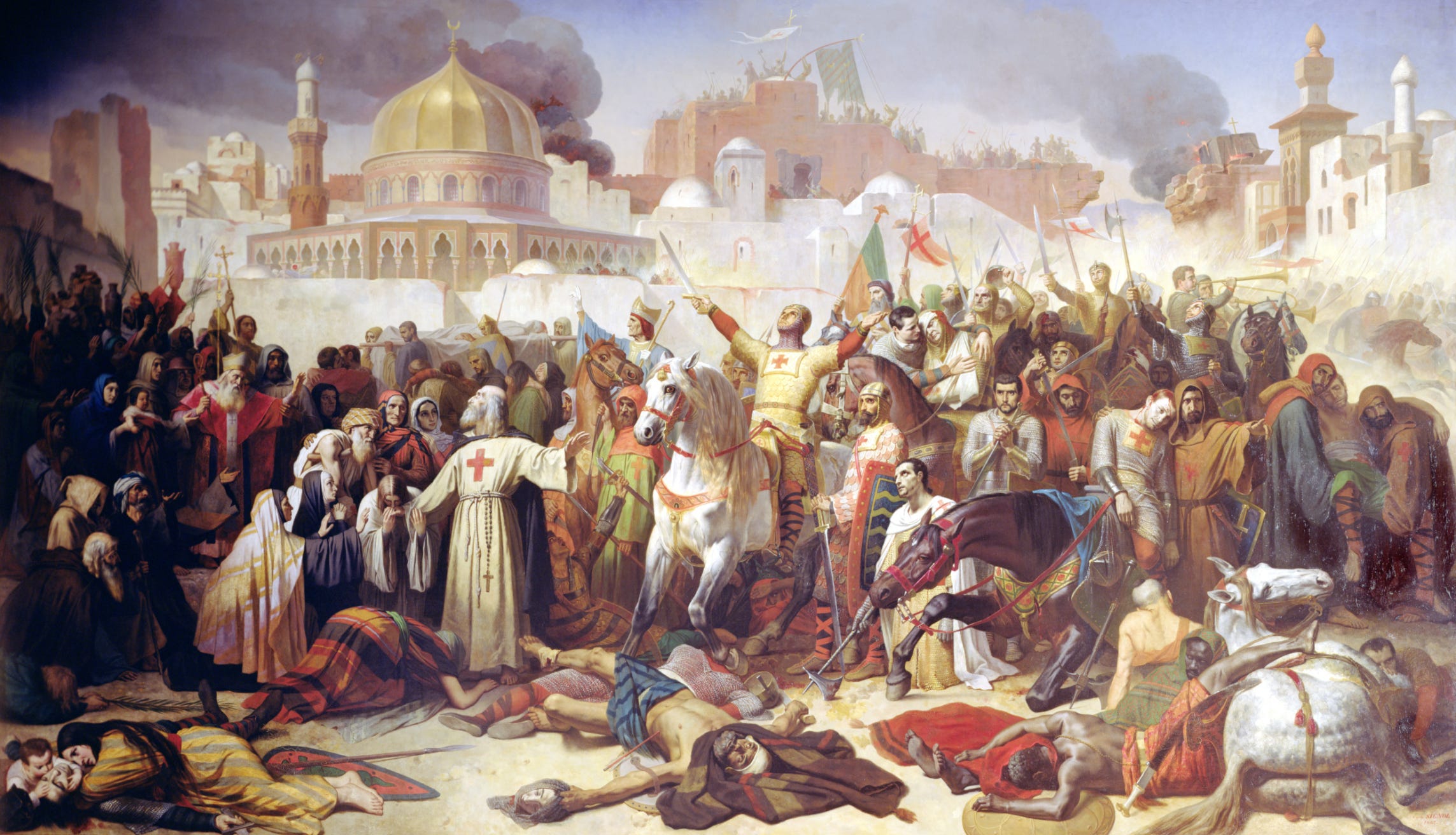
Perhaps the most significant, yet horridly destructive event that began the thirteenth century was the sacking of Constantinople in the year 1204. Inspired and promoted by Pope Innocent III, it was the signature achievement, if you care to call it that, of the Fourth Crusade.
Having been lost to Emperor Saladin in 1187 after the Second Crusade, and abandoned by Richard the Lionheart in the Third Crusade, the massive expedition was originally intended to recapture Jerusalem. However, the mission shrank from its original proportions and was ultimately led by Venetian commercial interests. The sovereign city-state not only needed to recoup the capital owed them by the barons leading the crusading armies, but they wanted to expand their power in the eastern Mediterranean.
It is most notable that Constantinople was a large and thriving metropolis — and it was Christian. In fact, the wealth and sophistication of the city was beyond the imaginations of the northern European foot soldiers, servants, knights, and nobles of the previous Crusades. With their entourage of pilgrims that had taken overland routes to the Holy Land, they were unwelcome guest barbarians intruding on their cosmopolitan Byzantine hosts.
Beginning with the first Crusade, small Christian kingdoms were established along a narrow strip of the Mediterranean, but inland Jerusalem was lost to Saladin after the second Crusade. A patient and generous leader, Saladin was able to organize Muslim tribal warlords under his governance and finally defeat their Christian rivals who had “taken the cross.
Crusading Armies
The Fourth Crusade and its aftermath were largely disastrous. Reconciliation between the Eastern Greek and Western Latin Christian Churches was critically harmed, but that is minor compared to the tens of thousands that were killed or died of disease chasing redemption in the afterlife. Or the fragmentation of the former Byzantine Empire that led to the rise of the Ottoman Turks two hundred years later.
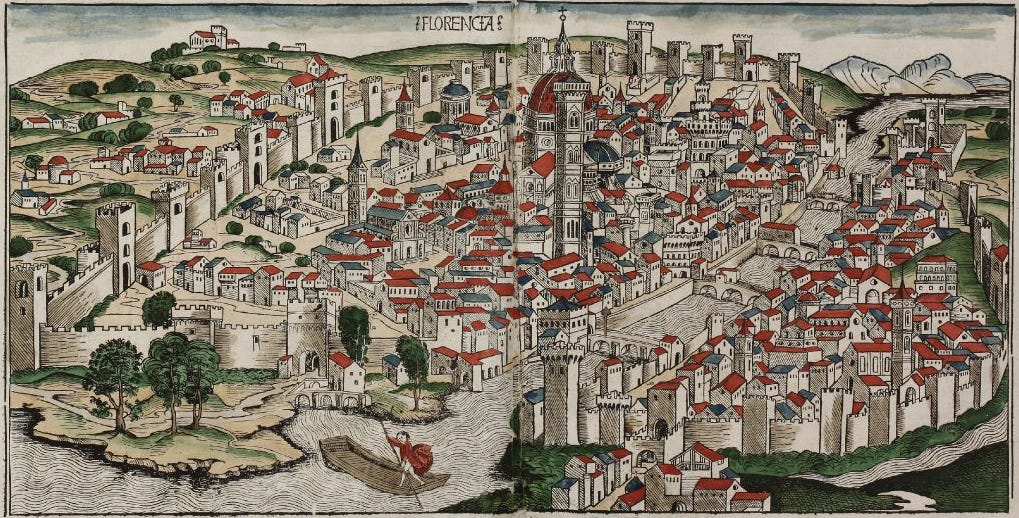
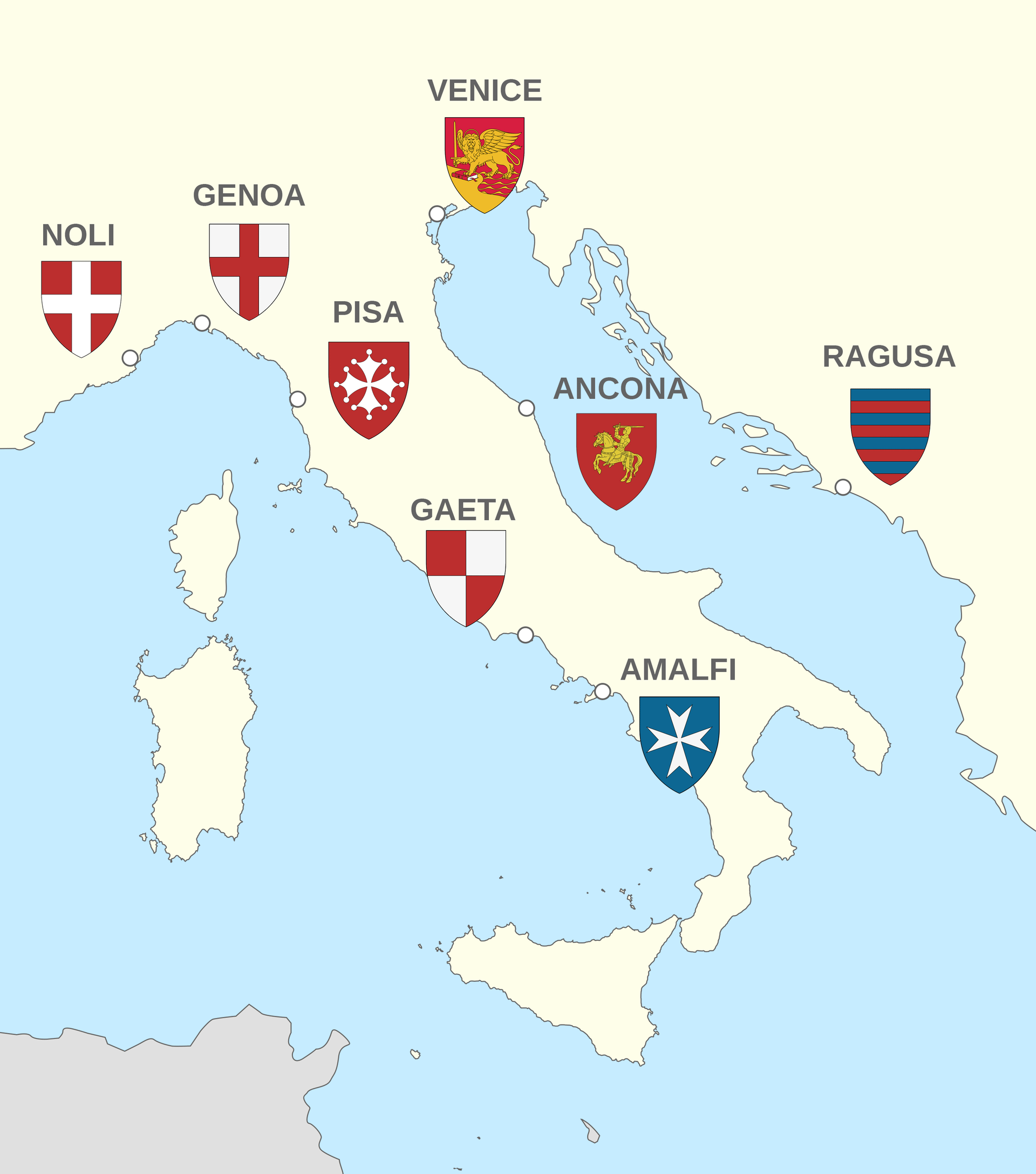
Ultimately, it is impossible to manage the intramural and intermural violence of competing death cults – faith and force are corollaries, but it is entirely possible to see the early thirteenth century as a turning point for the resurrection of Western civilization. Trusted money, financial instruments, risk sharing and societies of contract had been taking hold in Venice, Genoa and Florence for the previous several decades — and the logistical demands of the Fourth Crusade merely accelerated the development.
What was promised to the Doge of Venice, Enrico Dandolo, by the leadership of the Fourth Crusade was 85,000 Cologne marks of silver for a fleet that would transport over 33,000 knights, squires, infantry and horses. This was an enormous sum of money to be paid in installments — and one that committed Venice to an entire year’s worth of production. The Venetians lived up to their end of the transaction, but the barons and their armies did not arrive with sufficient money or manpower to satisfy the contract.
In addition to the fleet, Venice also promised armed war galleys as military escorts in exchange for half of the territory and plunder to be acquired by the combined forces. That is uncomfortably similar to the mixed economy of today’s regulatory state — one that plunders the private sector for protection money. But to their credit, Italian merchants had been operating in Mediterranean ports as informal bankers since the Third Crusade, thus allowing the barons and knights to access money far from home.
Units of Value
And the deal for the crusade was essentially a futures contract – the barons negotiated future payment for services rendered up front. The difference is the size of this major transaction, which helped normalize the practice of forward contracts at scale. Naturally, deals of this kind involve risk for the party that owns the commodity, and financial “risk” is a term derived from the Tuscan “rischio” that evolved during this era.
Another financial instrument developed in the 13th and 14th century was Bills of Exchange that solved a problem dramatized by the Crusades: settling debts by parties in different cities, transporting purchasing power without the cost and security requirements of hard money — and doing it without violating religious edicts against usury. Instead of explicitly charging interest, bankers would be compensated for their “rischio” and the time value of money with discounted exchange rates for different currencies.
And by splitting risk with traveling merchants, investors could buy a “commenda contract” that helped fund the transportation of a ship’s cargo in exchange for a share of the profits of the merchant. And it is not a stretch to consider these contracts as precursors to the spreading of risk through insurance contracts developed and perfected by Lloyds of London in the 17th century. The demand for this kind of risk and profit sharing increased during the Crusades and helped accelerate the growth of international trade.
Naturally, the reliability of bills of exchange, futures, and commenda contracts depended on trusted hard money. Beginning in 1194, Venice had the high value silver coin known as the grosso to facilitate payments, in 1252 the city-state of Florence minted the florin that was later used throughout Europe, and in 1284 the ducat became the dominant coin for Mediterranean trade.
And as reported by NPR, the significance of this cannot be underestimated,
“Suddenly everything has a unit value, and everything can be compared in numbers. A priest has a fee for a wedding and a funeral — is that more or less than the cost of a flask of wine, or a prostitute?”


Crusading Ideas
When Pope Innocent III discovered that his mission to liberate Jerusalem had been drastically altered to begin with the invasion of Zara in the Kingdom of Croatia, he excommunicated the entire army and the Venetians for the attack. He later rescinded the excommunication of the non-Venetians, but the authority of the Vatican was rapidly disintegrating.
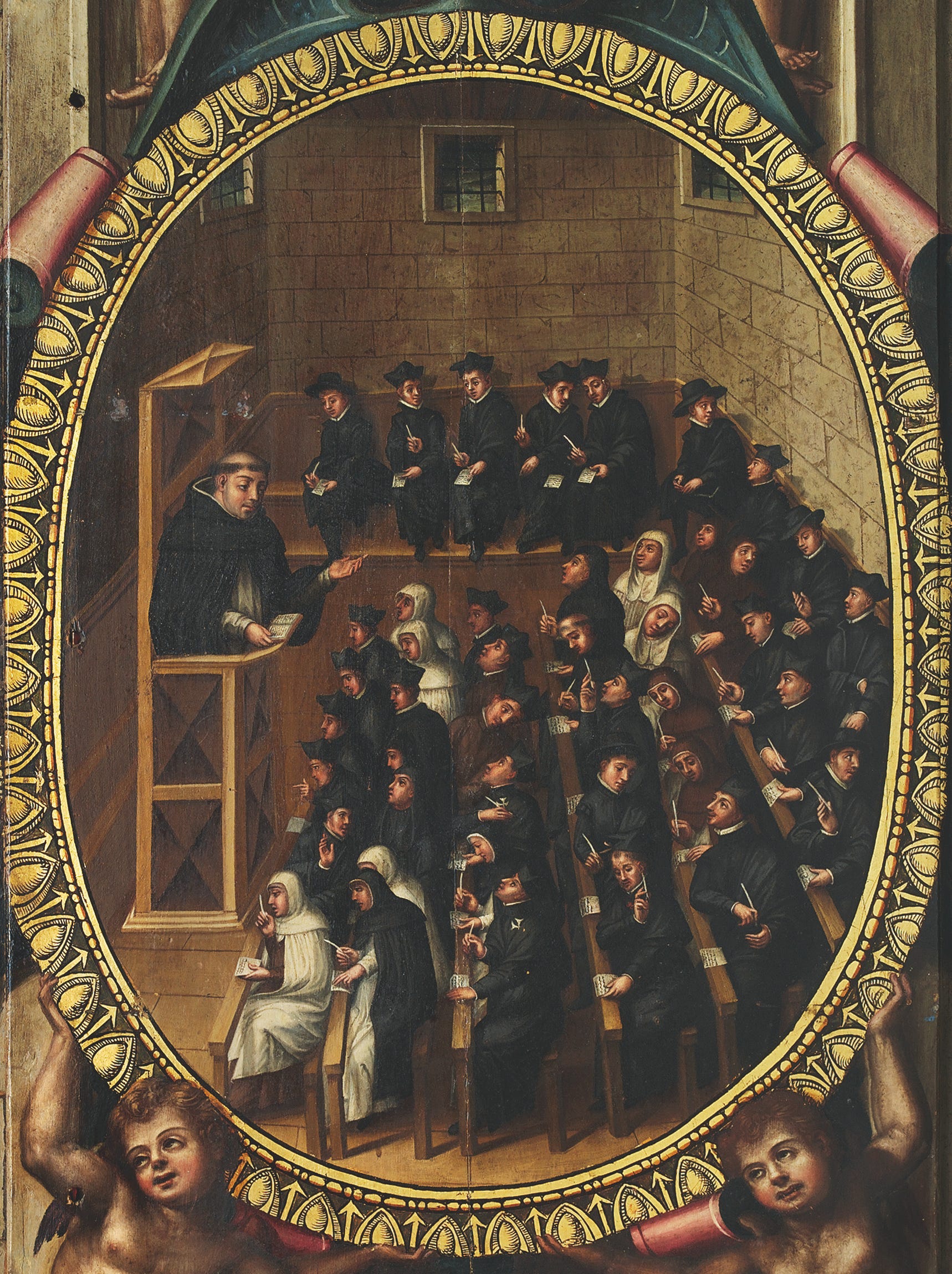
Coincident with the rise of Venice and Genoa, and Florence soon to follow, was the reemergence of Aristotle in the West. Having been all but eradicated with the rise of the Catholic Church after the fall of Rome, the bulk of Aristotle’s corpus had been preserved and studied in the Byzantine Greek world, and during the 8th and 9th centuries, translated into Arabic.
It was during the 12th century that an informal network known as the Toledo School of Translators produced Latin translations of the Arabic texts. However, the most significant development was the Greek to Latin translations by William of Moerbeke in the mid and late 13th century. In fact, the Moerbeke texts were so highly regarded that they were used by the scholastic, Thomas Aquinas, who was also a contemporary and a collaborator
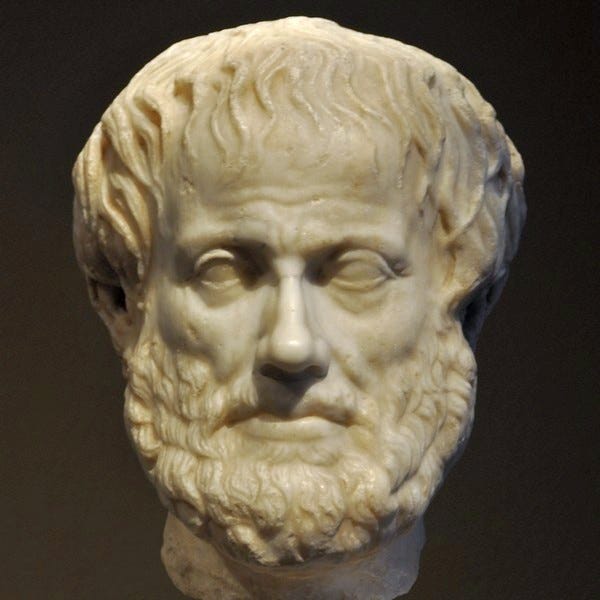
.Introduced to Aristotle in 1239 at the University of Naples, Aquinas began writing commentaries in the 1260s and integrated Aristotelian ethics, physics, metaphysics and analytics with Christian theology. And it is paradoxical that Aquinas helped save Christianity from an inevitable demise in the face of severe Church opposition. In the long run, the intellectual courage of Aquinas that led the West back to Aristotle into the Renaissance a century later — and eventually the Enlightenment.
As asserted by philosopher Leonard Peikfoff, the significance of this cannot be overestimated,
“The development from Aquinas through Locke and Newton represents more than four hundred years of stumbling, tortuous, prodigious effort to secularize the Western mind, i.e., to liberate man from the medieval shackles.”
Unit Omission
Also known as the Age of Reason, the Enlightenment portrayed man as a heroic being for the first time since classical Greece. By Aristotle’s ethics, character is the identity each of us can create for ourselves, and by his analytics, concept formation highlights our ability to understand the complexity of the natural world.
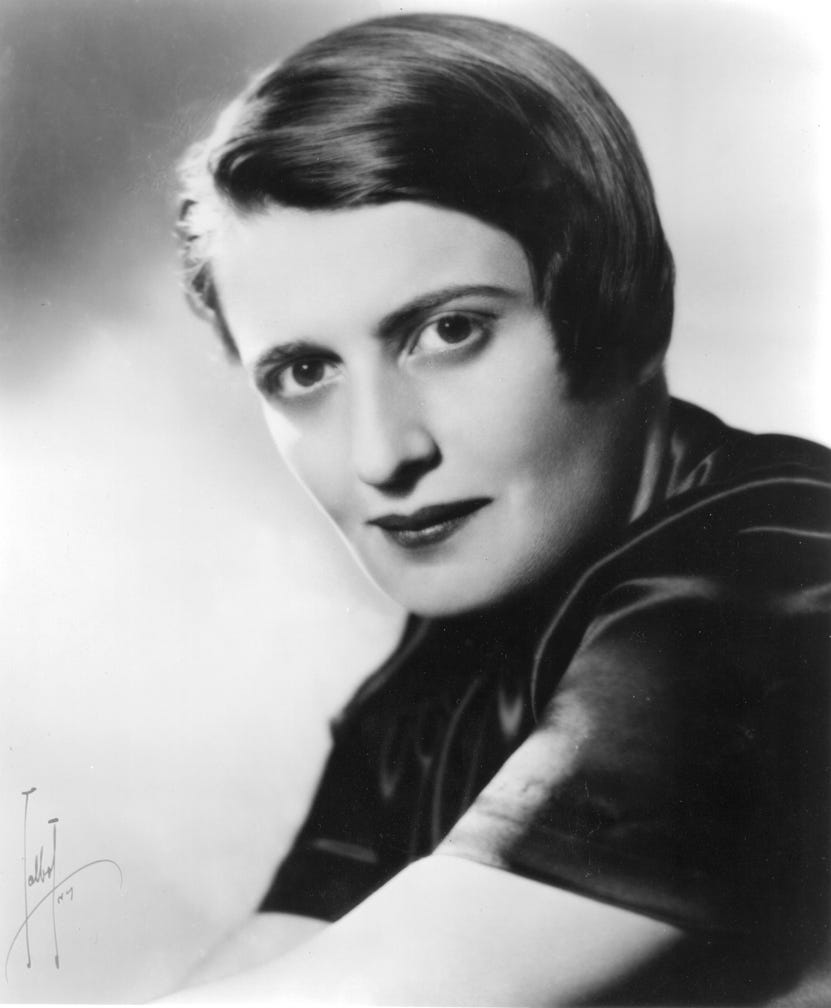
However, it was Aristotle’s greatest advocate and intellectual progeny, philosopher Ayn Rand, who developed relevant measurements and omission as primary to the formation of concepts:
“If a child considers a match, a pencil and a stick, he observes that length is the attribute they have in common, but their specific lengths differ. The difference is one of measurement. In order to form the concept “length,” the child’s mind retains the attribute and omits its particular measurements.”
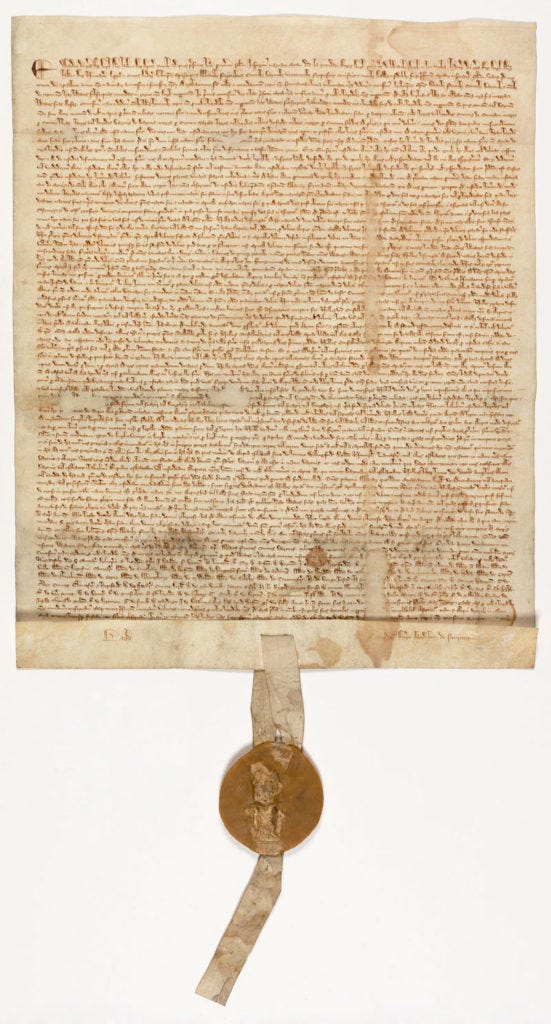
In summary, the 13th century bore the brunt of the Crusade insanity that destroyed what little wealth might have been accumulating in northern Europe. But it was also the century that saw the creation of the Magna Carta in England that established property rights and consent of the governed as radical, new political principles. At the same time, sound money and sophisticated banking practices in southern Europe helped birth the Renaissance, but it was the emergence of reason that is the catalyst for all wealth creation in the first place.
Certainly, emergence is not immediate. While the Italian city-states were giving birth to the practical application of capitalist principles, Spanish universities took the intellectual baton from Aquinas and gave birth to the theoretical principles more than 200 years before Adam Smith. Omitting the units of measurement, Llewellyn Rockwell explained in Freeman:
“Trained in the Thomist tradition, they used logic to understand the world around them, and looked for institutions that would promote prosperity and the common good. It is hardly surprising, then, that many of the Late Scholastics were passionate defenders of the free market. The members of the School of Salamanca would not have been fooled by the fallacies that dominate modern economic theory and policy today. If only our modern understanding could once again arrive at that high road paved for us more than 400 years ago.”
But to reemerge on that high road, a plurality of individuals must practice what they preach: money is the cornerstone of civilization, prices are the information superhighway, markets are efficient and elegant, and earned profits are justice. I committed myself to these principles almost twenty years ago, practiced them with hundreds of clients for ten years, wrote the definitive book, and to quote my client who was speaking to the director of wealth management, “in all my years with the bank, this is the first time I know what I’m doing and why.” That is the crusade that matters.