To create and maintain a peaceful and prosperous society, it is necessary for individuals to save and invest freely. Of course, the incentive to save demands a sound form of money and the incentive to invest demands a sound banking system.
However, there is something more fundamental to the accumulation of financial capital. People must have the self-esteem to invest in themselves. When they do, they will soon experience the emotion of pride and develop the virtue for continued rational action. However, there is a paradox — America today is a peaceful and prosperous society that includes a large segment taxing themselves to death with social activism and phony, group pride.
In practice, self-esteem and pride are mutually supporting character traits and the subject of a conversation I had last week at a conference — OCON 2026, attended by people from all over the world. One was from Estonia, and to quote the other from Boston, John Paquette, “Self-esteem is the degree to which you value yourself, fundamentally. Pride, the virtue, is the act of caring for and about your moral character.” But what are the consequences for low self-esteem and not acting with pride?
In my previous article about collectivist cultures and their traditions, kinship taxes, reciprocity and saving face, I focused on social pressures as a form of tax that prevents savings, investment, and economic mobility. While the greatest threat to those collectivist societies may be the virtues of independence and pride, there are also penalties that people impose upon themselves that do even more damage than government and social taxation.
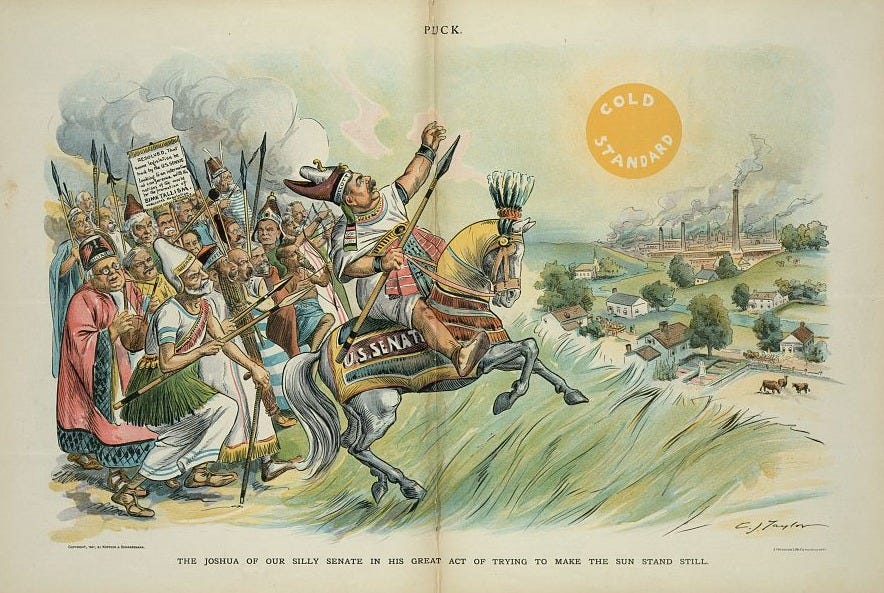
For perspective, the aforementioned conference was hosted marvelously by the Ayn Rand Institute (ARI) — and its theme was America: The Nation of the Producer. Naturally, that was in the context of the 250th anniversary of the Declaration of Independence, but I detected a sub=theme, one that is important, and necessary to fully understand the nature of America and producers. Their opposites — the deconstructionists who fail to invest in their productive futures.
Scapegoats
My first hint of this theme came from the opening presentation delivered by ARI’s own Onkar Ghate. In his address, he noted that a religious mentality has replaced reason in 21st century America. Examples include submission to Islam (a redundancy), environmentalism that targets children, the woke racism of DEI and BLM, and MAGA’s fealty to arbitrary pronouncements.
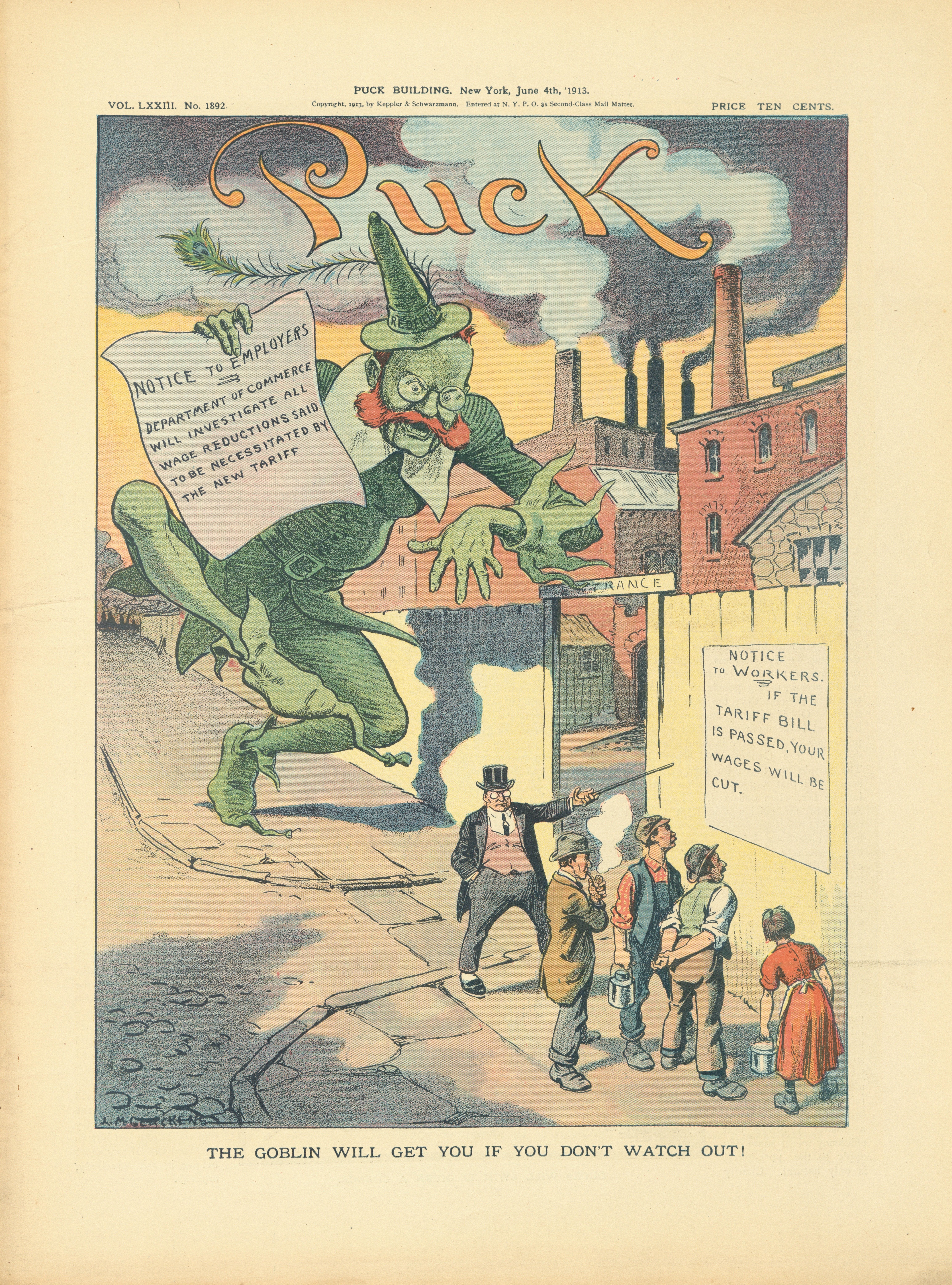
What this created is an Age of Fear. Instead of each American taking ownership of their ideas, characters, decisions and futures, blame is assigned to villains who are not members of their tribes. And this happens regardless of political stripe: white supremacy, immigrants, foreign exporters, billionaires, etc.
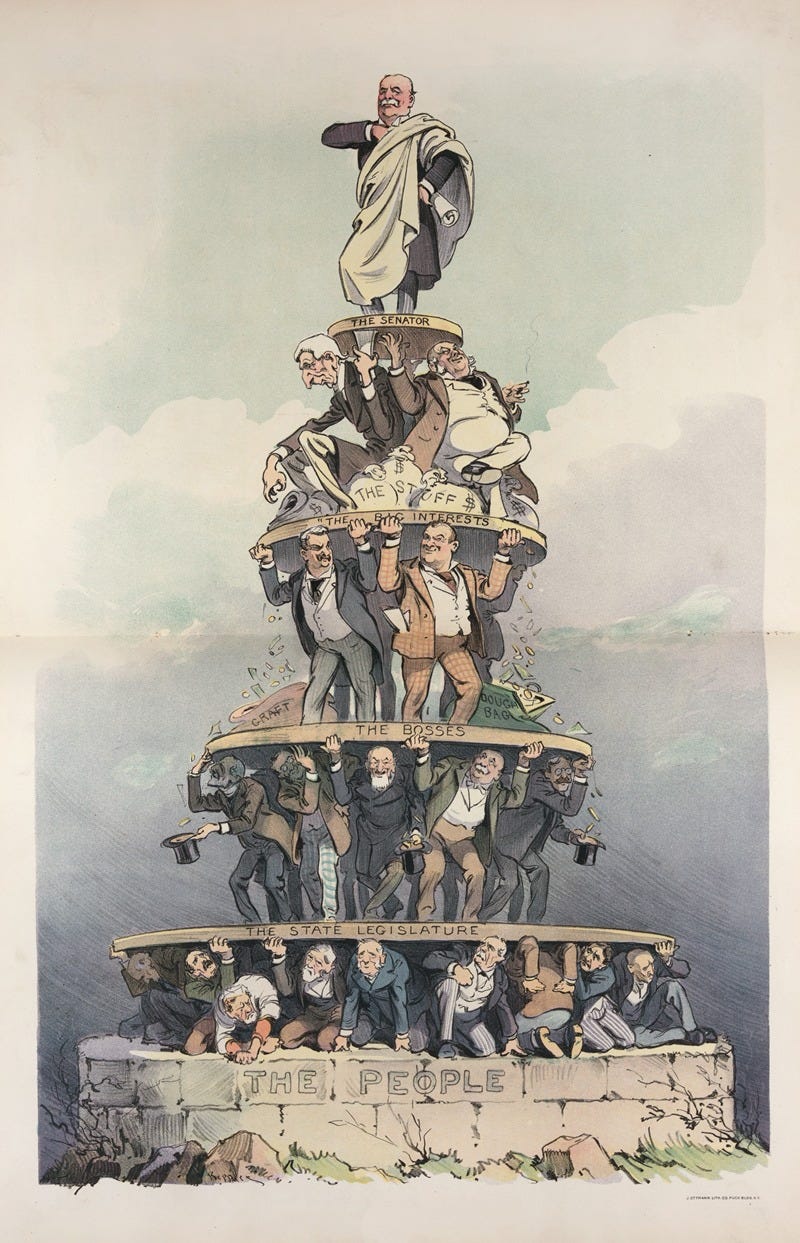
As Ghate stressed, there is only one beneficiary to these herd instincts: the power of the State. And the common belief that the government creates money and purifies markets are self-taxing absurdities.
Entropy
During the panel discussion including cognitive psychology professor and best-selling author Steven Pinker, there was this was a fascinating observation: “Progress is not a force of nature. Entropy is a force of nature.” The implication is that human progress is achieved through the application of the mind to the natural world. And equally significant, the failure to apply our minds to the circumstances of our lives must result in a gradual decline into disorder. To me, the subtheme of the conference was becoming clear.
Pinker went on to say that “human agency is the cause of progress,” and “any argument against reason defeats itself.” Together, these three statements are enormous, but more so if we understand the relationships among reason, agency, self-esteem, pride and independence. It is a contradiction to reason against reason - and the application of reason presumes agency.
In turn, agency derives from your ability to think and act independently for your personal objectives. And maximizing your agency implies self-esteem, but the thought itself must be initiated by you. That is free-will, and your skill at reasoning requires an active mind using the tools of logic. In other words, none of this happens without your choice to think or not to think. But if you adopt God’s or the State’s will, thinking becomes optional.
The alternative is entropy: the gradual decline to the malevolent universe premise of chaotic existence without the guidance of State experts. And there are levels of mental focus, each requiring the choice to think, including the creation and disposition of wealth. Choosing not to think and becoming less aware is a self-imposed tax.
Primacy of Consciousness
On the second day of the conference, philosophy professor Alex Silverman discussed something you never hear about, but it is the basis of everything: The Metaphysics of Productiveness. To be clear, metaphysics is the basic structure of reality, meaning the natural world, the universe.
As you may have noticed, the sub header above titled scapegoats mentioned the resurgence of religion, which has metaphysical components, and entropy mentioned the forces of nature. But Silverman attacks the issue head-on: the primacy of existence, “the metaphysically given cannot be changed. It is the nature of nature.” In other words, existence exists whether you know it, think about it, like it or hate it.
In fact, the primary attribute of human nature is our capacity for reason. Without it, there would be no human life, but to think logically is an act of free will. The alternative is to believe the structure and facts of reality are what your perception and emotions say it is.
To adopt that mentality is to replace the primacy of existence with the primacy of consciousness. also known as subjectivity, which is the natural consequence of religious beliefs and passive minds!
Here is where Silverman gets to the point, “The metaphysics of the unproductive is primacy of consciousness.” And to underscore the historical and current significance of this, he told us: “The West languished under the primacy of consciousness Christianity for centuries.” From the fall of Rome to the onset of the Renaissance, life in the West did not improve from desperate, fearful, and short existences. And in that scenario, the afterlife was looking better and better.
Yet, 250 years ago America began growing producers. This happens organically when rights, liberty and justice are free to activate the inactive minds that had been dormant for centuries. “The more you live the primacy of existence the more productive you will be,” asserted Silverman. Naturally, investing in your future should begin with reason applied to reality.
Deconstruction
When the subjectivity of “my reality” takes over a society, it is natural for there to be criticism directed at those who are productive. On Day 3 of the conference, Associate Professor of Psychology, Gena Gorlin, confirmed this by telling the audience there are great misunderstandings of the motivations that drive the great builders of amazing products and profitable companies.
Motivations popularized in today’s decivilizing culture are greed, exploitation, political power, indifference, racism, etc. But she is a cognitive therapist who works closely with energetic builders wrestling with the demands of technology, regulation, consumer demand, and competition. These are people who balance those challenges with their innate desire to create something that will change the world. Gorlin knows the naysayers are dead wrong.
Furthermore, she tells us the success of the builder “is a spiritual achievement and a demanding love.” And for them, money is recognition of competence that builds self-esteem and is hard evidence of value creation. And Gorlin adds, “projects must build on material and spiritual values that will compound over time.” When this happens, it benefits nearly everyone, everywhere, always.
To the collectivist, mystical, entropic, subjective critics out there, remember this: “builders recognize emotions are not causes — that emotions must be built.” Builders build, beginning with themselves. That is The Moneyball Method.
Thank you for reading the first half of this two-part series. Next, I will examine other aspects of producers and the non-productive that were presented at OCON 2026. Ultimately, that will include a summary of the costs that we should consider in relation to the savings, investment and the free flow of capital.