Multi-billion dollar tariff refunds entered the headlines in August – alongside data center construction and Democratic party candidates who win with their repudiation of property rights. More specifically, about $104 billion has been returned to the likes of Walmart, Apple, Ford, Target, Home Depot, Nike, Amazon, and Lowes.
But this didn’t happen by itself. In February, the United States Supreme Court ordered the refunds in a decision that repudiated President Trump’s use of the 1977 International Emergency Economic Powers Act. However, the Trump administration claims about an economic emergency were only political desperation and fueled by bad information and rotten advice about international balance of trade arithmetic.
In the double entry accounting system, these current account deficits are offset by capital account surpluses, all of the transactions are voluntary and mutually beneficial, and if foreign imports are subsidized by foreign governments, that is a transfer of wealth to America.
To summarize, the approvals represent 60% of the $166 billion total that was recognized for refund by Customs and Border Protection (CPB) - and most of that is being returned to the largest importers first. This is not a windfall, it is money that was confiscated and is being returned. As such, the refunds must be reported as income, but it is the quarterly earnings reports for these companies that are generating the headlines.
For background, the Trump administration announced “reciprocal tariffs” in April 2025 on dozens of countries. They include all of America’s important trading partners, and one justification is the tariffs imposed by these governments on American exports. That is why they are named “reciprocal.” The rationalization is that the revenue to the federal government will help reduce budget deficits, but more likely, the additional revenue will increase borrowing capacity.
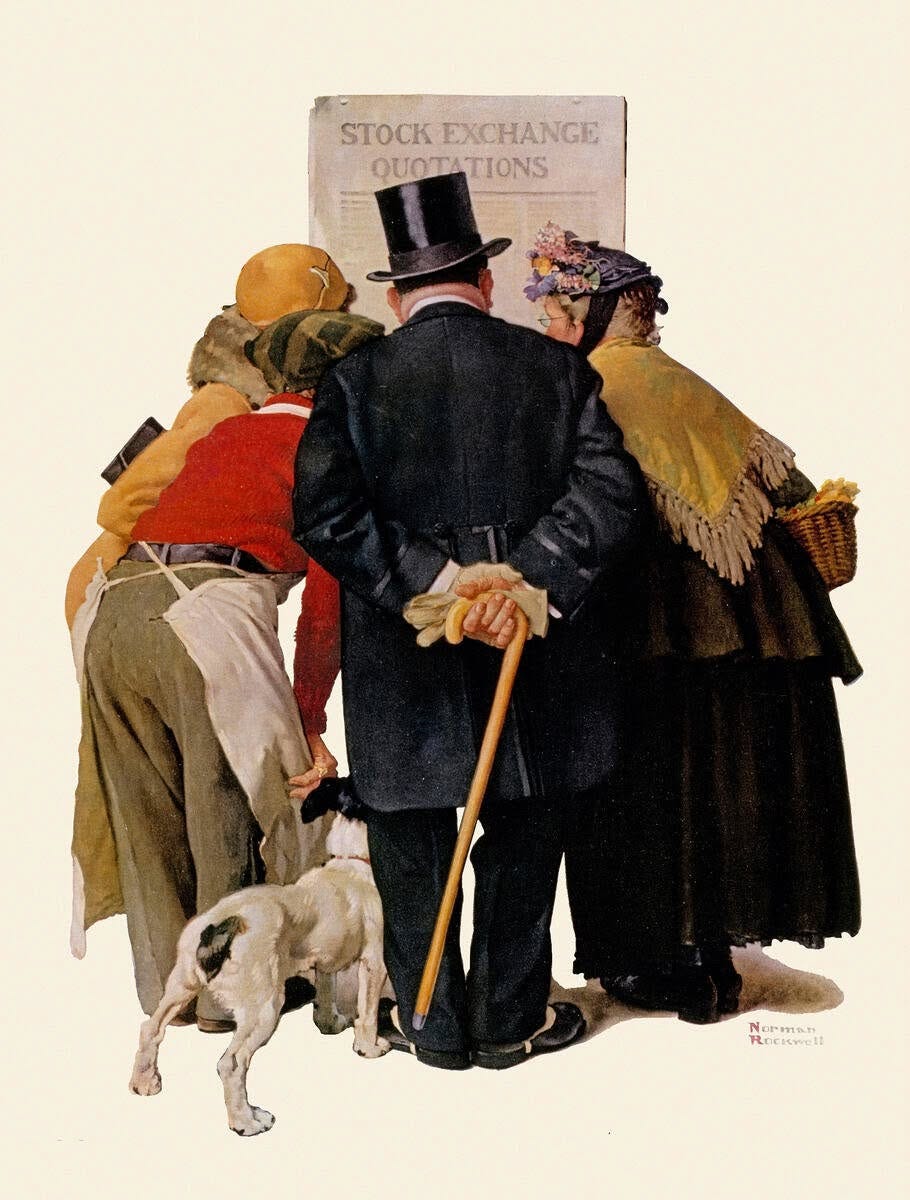
Regardless of government spokesman or media hype, tariffs are a tax imposed on businesses that import raw materials, value-added goods, and consumer products - depending on which industries the president wants to reward or punish. It is protectionism and it is the State picking winners and losers. And as an outlay of cash, tariffs increase costs for manufacturers, increase prices for consumers, and decrease prosperity for the entire society.
In a balanced report from Yahoo Finance, some of the ideas being considered by retailers to best deploy the cash reserves were summarized by senior director David Silverman at Fitch Ratings:
“The upside is that these companies have spent the last year plus thinking about mitigation strategies, thinking about supply chain shifts, thinking about merchandising, … and at least now to the extent that there are updated tariffs …these companies have built somewhat of a playbook to figure out what to do about them.”
For the company receiving the refunds, it is a liquidity event and a net loss. There are costs attached to calculating their tariff liability, remitting the funds to the CPB, loss of interest income, higher prices paid for inventory to avoid the tariffs, and costs associated with calculating and applying for the refunds. Yet, there are also costs related to corporate communications to mitigate the negative publicity for receiving their earned property.
Why? Because when economic inequality is universally accepted as a problem for governments to solve, the world wide web will attract posts like this on X:
“Walmart just received a $2.9 billion dollar tariff refund, massively boosting the company’s profits. Regular people paid the cost of tariffs by and large across America. But now corporations are getting huge checks from the government, while working people get nothing.”
Piling on, here is the August 22nd headline from CNN Business:
“Tariffs raised the prices you paid. Most businesses won’t be passing tariffs refunds back to you.”
Yes, Walmart, Apple, Ford, Target, Home Depot, Nike, Amazon, and Lowes will manage their cash differently, but they are net losers after compliance, accounting, and finance costs are tallied - and customers are net winners when the refunds are processed. Regardless, each of these companies are miniscule by comparison to the leviathan governments imposing tariffs on the transactions that benefit everyone.
As to the rhetoric, “regular people, by and large, huge checks and working people” are meaningless phrases and all too much noise. The very existence of each retailer has improved the lives (low prices, endless variety) of everyone who has visited, passed by, lived near, or seen an ad from these businesses. Just ask a few of the foreign visitors to America for the World Cup earlier this summer how much they love the selections and prices at America’s big box stores.
This is what profit striving companies always do: think about mitigation strategies for arbitrary government edicts, supply chain shifts, merchandising, and build a playbook. But that is almost impossible when there are political executives like President Trump and Canada’s Prime Minister Carney wielding the force of government in arbitrary ways, as the Wall Street Journal reported on August 24, 2026:
“I’ve basically gotten a Ph.D. over the last year in tariffs because I feel like that’s my sole job,” Mary Buchzeiger, CEO of the Michigan-based auto parts supplier Lucerne International. Everybody is paralyzed with fear right now because of these changing regulatory tides . . it’s impossible to make good plans and solid plans and be able to move forward.”
To conclude, President Trump’s tariff policy destroys capital, raises prices, and the money is paid by the importers of record. Those companies are prolific distributors of variety at better prices than any time in the history of the world. And while it is morally and practically superior for tariff refunds to be received by the importers of record, the greatest economic atrocity is the uncertainty that prevents entrepreneurs from doing what they do best - invest and plan for an amazing future.
To put this in perspective, what could have been achieved if the private sector was not devoting talent and capital to tariff compliance, antitrust avoidance, diversity hiring, inflated medical benefits, university endowments, professional lobbyists, and social security matching? On top of that, the economic and social costs of President Trump’s wild tariff policies are impossible to calculate, but could damage entire industries.