It is election season in America — and notwithstanding the early voting and late ballots that are ripe for manipulation, Election Day this year is November 3, 2026. That means 100 million voters, pundits and candidates will twist themselves into econometric dolts over inflation, employment, taxation, money supply, tariffs, subsidies, and “our values” over the next 11 weeks. After all, the Ragin’ Cajun, aka James Carville, coined the term “It’s the economy, stupid” while working the campaign for Bill Clinton in 1992 — and it stuck.
Proving that the light between the two major political parties in America can be eclipsed by a Franklin — a single $100 bill — on its edge, there are nearly no voters, pundits or politicians of either stripe who disagrees with Carville. Nearly everyone believes that inflation is higher prices, protecting jobs is the government’s job, progressive taxation is justified, central banks control money supply, trade deficits are bad, and government “safety nets” are good.
Central Banking
A great place to begin is the “dual mandate” of the Federal Reserve, America’s ostensibly independent central bank: maximum employment and price stability.
To illustrate the fluctuations in the data going back to the 1930s, the US Bureau of Labor Statistics recently released a bar chart for annual employment increases by presidential administration. It tells us that the lowest performing Democrat was President Obama — and his results were better than every Republican except President Nixon.
Clearly, the message is that employment in America is healthier with Democrats in office than with Republicans. However, there are a multitude of problems with that conclusion. First, the data includes government jobs, which produce nothing but destroy wealth by their very existence. Second, the data is purely correlation — not causation. Third, presidents and political parties have zero influence over private sector employment except to the extent they get out of the way.
Yet, voters, pundits and politicians love to use charts and data like this to pretend they are economically literate and can prove it with objective evidence. Charts like this are evidence, but they are not objective. To be objective, the context of the evidence and its causality must be considered in their entirety. Otherwise, the conclusions are subjective.
As the employment by presidential administration chart is popular among Democrats, the Trump administration published its own chart for consumer price index changes by presidential administration. However, the illustration only goes back to 1988, President Clinton’s first term — and the data was not released under the supervision of any reputable authority. For my purposes, it’s good enough, because none of it is worth a warm bucket of spit — except to the bazillion voters, pundits and politicians who live and breathe bad economics.
In Trump’s price inflation chart, there is an equal distribution among Democrats and Republicans of bad and less bad results. Naturally, Donald Trump is looking pretty good in this regard and Joe Biden is looking really bad. However, context and causality matter. The only influence a president or political party has on prices is to the extent they get out of the way. The historical price inflation experienced during the Biden administration was primarily caused by the economic lockdowns of the Trump administration.
Econ 101
Think of it in terms of supply and demand. When the supply of goods and services are severely cut by arbitrary means, prices will rise. When it happens slowly by organic means, markets adjust and the effect on prices is minimal.
Naturally, the lockdowns caused an immediate recession - and in turn, that unlocked the monetary devaluations that had been accumulating for the previous twenty years, all of which contributed to the historic spike in prices. And the natural consequence of that rotten economic backdrop is the rise of the nihilistic, horribly informed Democratic Socialists and their current rampage for destruction in Democratic party primaries.
Yet, no voter, pundit or politician of either party will tell you the true cause of this because they don’t know and don’t care to know. Instead, the party line pleases the tribe and becomes “my reality” with repetition: it is easier for Republicans to blame the “affordability crisis” on the Federal Reserve and housing regulations and for Democrats to blame it on oligarchs, privilege, and tax loopholes. And they both blame the only group that is improving the situation — the merchant bankers allocating capital to housing.
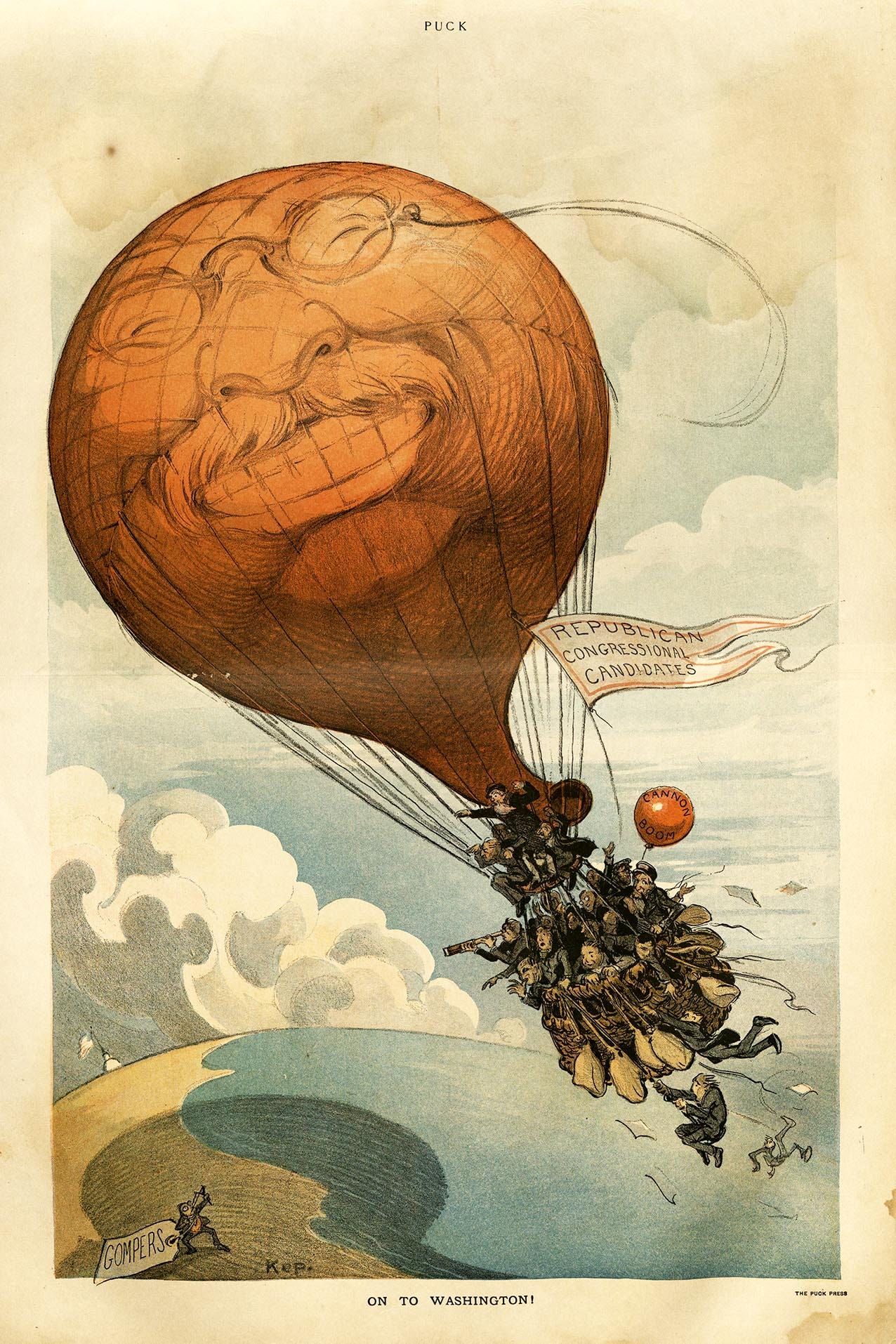
With that in mind, the latest villain for everyone who fancies themselves a political economics expert is data centers. They only exist because of concentrated wealth and sophisticated knowledge, and they promise to deliver wealth and sophisticated knowledge to anyone who chooses to leverage what exists — so activists must resist!
Data Centers
Not only do the stated concerns include groundwater protection, electricity prices, and NIMBY (not in my back yard), but the loud voices in certain rural communities have become mobilized by these fears. Of course, there are issues related to data center construction that seem legitimate, but like employment and price inflation related to presidential administrations, much of it is superficial.
Conversely, data centers are characterized objectively by Alex Epstein and his Center for Industrial Progress:
“So, you know, I have a two-year-old and an eight-month-old. By the time they’re school-aged, they’ll have access to genius tutors that will be basically free. I already have access to genius medical advice that can be life-saving or certainly life-improving.”
Hopefully, there will be an exponential increase in the use of genius tutoring, including economics for those who discover the free market economists, but today’s political campaigns have no interest in that. In Ohio, Republican nominee Vivek Ramaswamy published an opinion piece in the Columbus Dispatch on August 6, 2026 that proposes a three prong mandate for “communities” with new data center construction proposals:
1) You will no longer have to pay for your home’s electricity. 2) You will pay lower property taxes. 3) The data center will be required to abide by all air and water quality standards without exception, and we will take the necessary steps to protect Ohio’s fertile farmland. If any of these three conditions is not met, the data center won’t be built. Period.
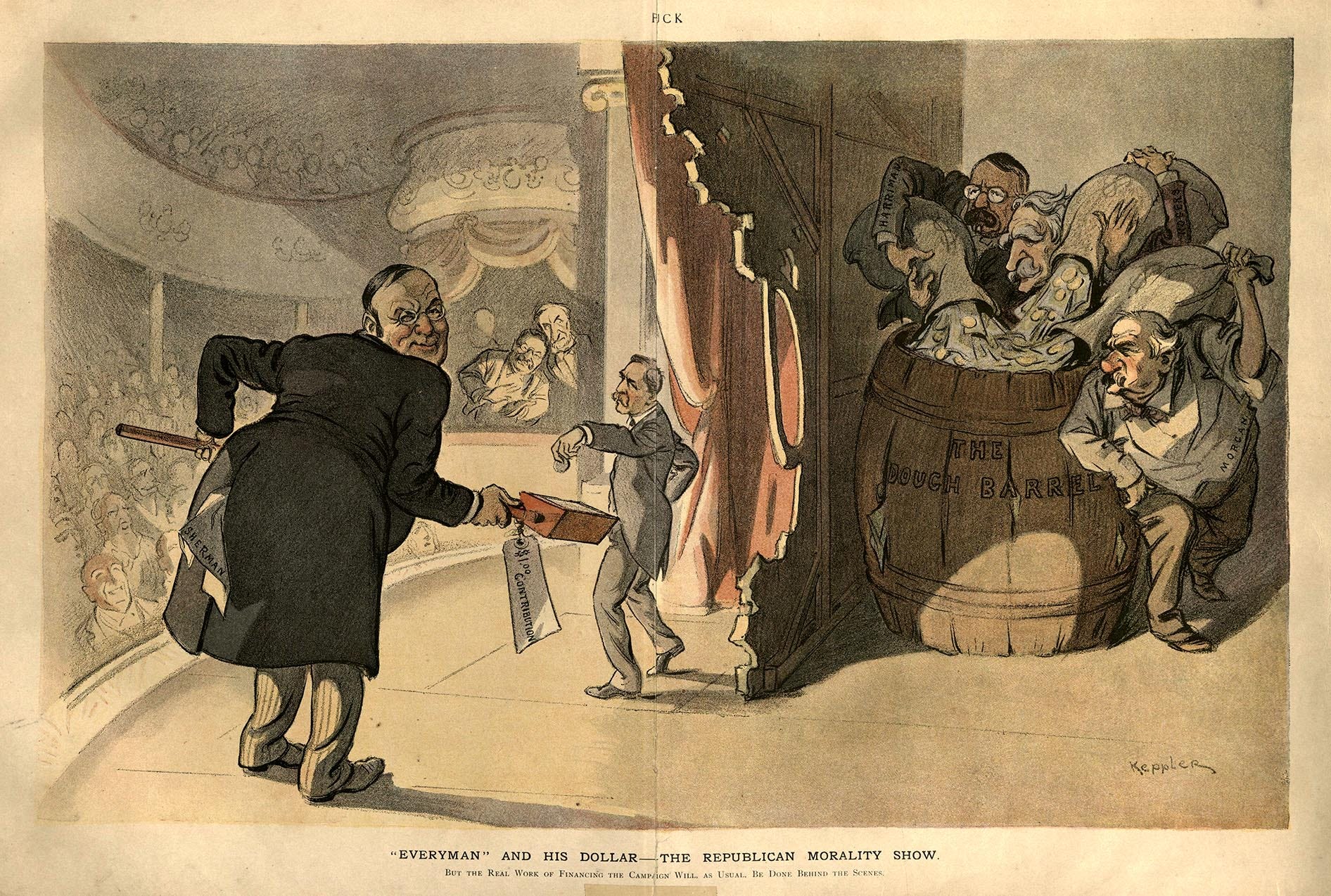
When you see tough talk like “without exception” and “period!” you know they mean business, sort of, maybe, not likely, forget about it. This is pandering. But like the political narratives about employment and inflation that dominate both parties, the entire conversation ignores what the State can do best: protect rights and get out of the way.
Econ 201
Continuing with that theme, the ideal scenario is complete separation of economy and state. The American model for separation of church and state works magnificently when it is not compromised. The same would be true for economic vitality and for the same reasons. Each individual has a right to their spiritual beliefs, and each individual has a right to their earned property.
Yet, to believe that centralized authority possesses the knowledge and expertise to manage a complex division of labor economy is a matter of faith. In America, the Federal Reserve creates the illusion of free money, the Federal Trade Commission creates the illusion of unjust prices, and the Treasury Department creates the illusion of inefficient markets.
But for the catechism to grow the flock, State functionaries need the cooperation of certain private sector partners. On the state and local level, that is accomplished with property, sales, and employment tax exemptions for all sorts of projects, especially data centers. What is not seen is that business owners — whether they be closet republicans or democrats, must compromise their supply-side principles to do business with government bureaucrats who never compromise their demand-side principles.
Econ 301
A core principle of the supply-side is decentralized knowledge transmitted by prices - and a core principle of the demand-side is centralized power over economic activity. In other words, voluntary production and trade for mutually earned profit vs. the force of government regulation for the mythical common good.
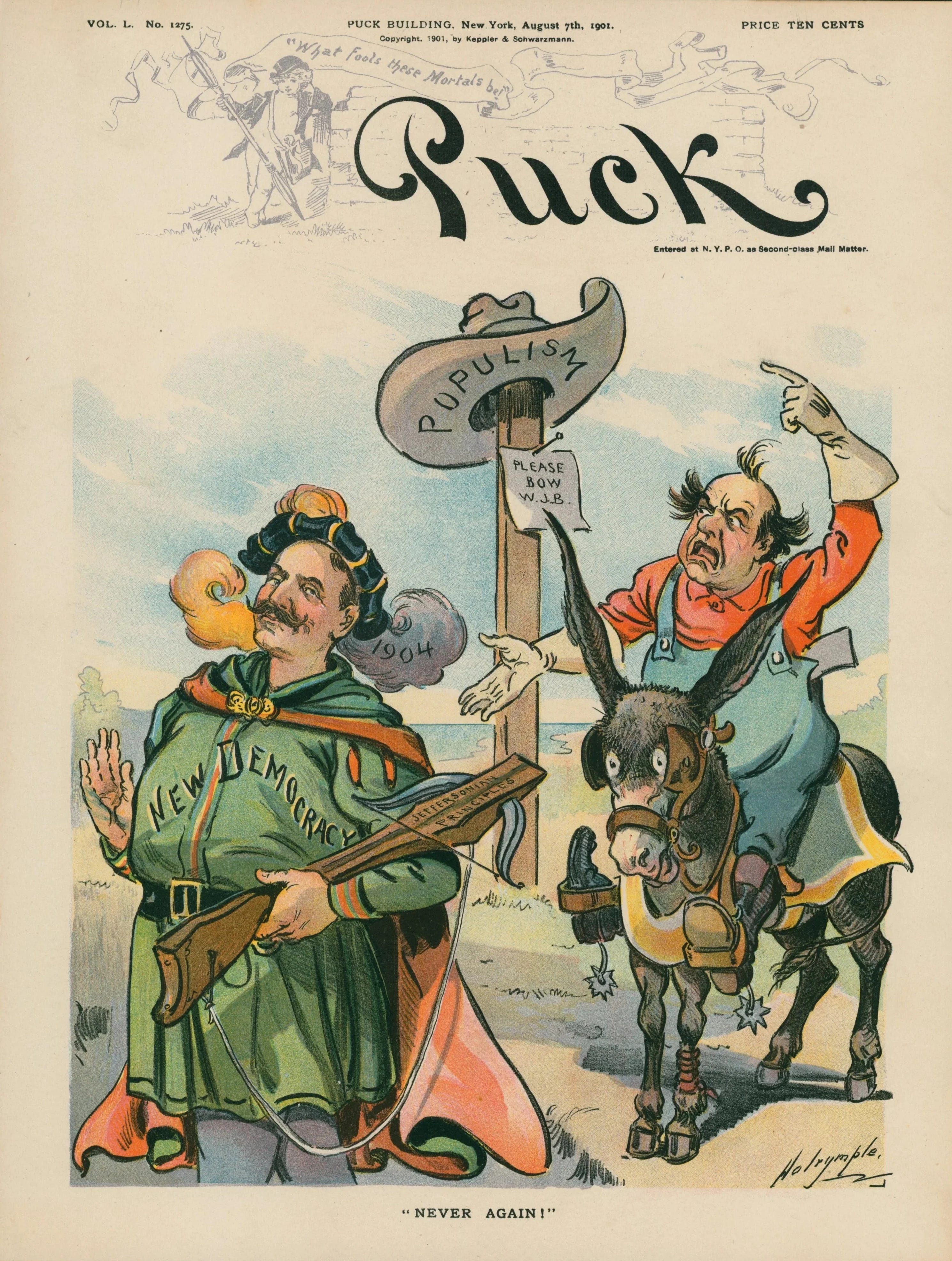
With that in mind, we can see that the employment and inflation charts by presidential administration are the demand-side propaganda of both political parties. They may demonstrate correlation, but not causation. And when private sector leadership cut deals that allow for the use of force, they are compromising themselves, their constituents, and long-term prosperity.
To illustrate the impotence of both parties, consider the so-called debt crisis. Everyone complains about it, yet they offer the same solution: more tax revenue. The difference is the method. Democrats scream for higher tax rates (demand-side force), and Republicans scream for economic growth (supply-side freedom), yet neither of them understand the problem: higher tax revenue. That is the primary cause — and another can of worms.