


Art as Investment
In the solar system of objective investing, your goals, aspirations and cash flow strategy replace your investment portfolio as the mechanism for guiding decisions. For the 2002 Oakland Athletics baseball club, the goal was a winning season, the aspiration was to make profit, and the cash flow strategy was affordable talent that could get to first base.
That was a radical departure from baseball’s traditional practices, and it was not pretty — hit and run plays and stolen bases were rare. And it was not artistic — hitters were not hired for their pretty swings and graceful strides. Instead of Adonis on the roster, the A’s General Manager fired much of the scouting department and hired “quant guys” for statistical analysis and reliable data.
The Moneyball Method for objective investing is no different. The talent scouts of sector rotation, earnings forecasts, and risk tolerance are gone. Their wisdom for predicting the future and measuring past performance is out. And in this solar system - the only one that supports human life, we use the historical data to anticipate market behavior and measure investment performance by looking into the future.
But in the vast universe of the entrenched bureaucracy, the product is the portfolio — and it is no coincidence it is called a portfolio. As a curated collection of marketable securities and “alternative” assets, it is the pride of self-styled analysts everywhere. Accordingly, this is when monthly brokerage statements become a personal expression of their creative capabilities in the realm of global finance.
Except when one or more of their selections underperform their benchmark. In that scenario, their investing style, sector leadership, or talent for flipping quarters had gone out of style. It happens a lot, as do hitting streaks in baseball.
Greater Fool Theory
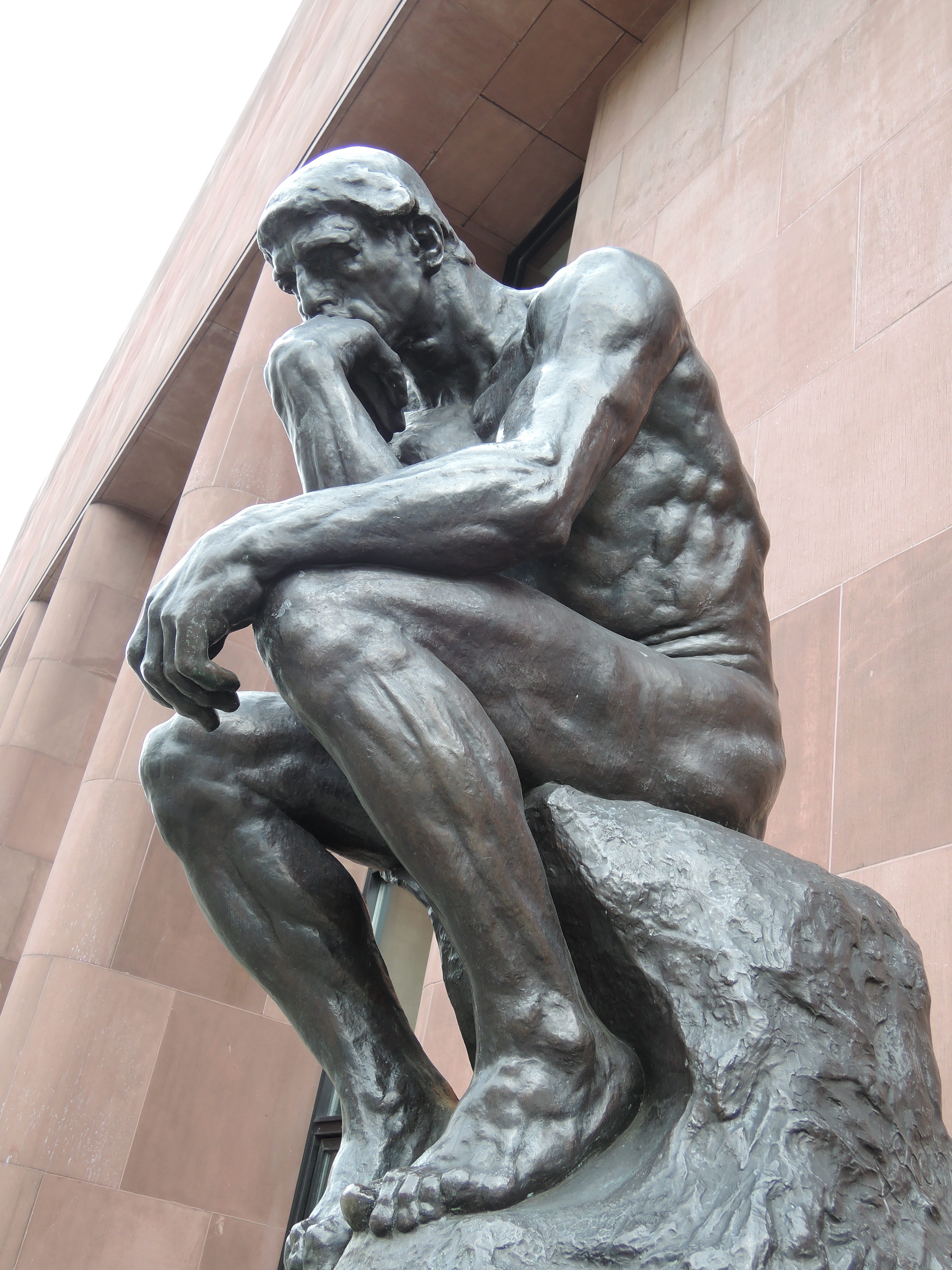
In the context of rational self-interest, fine art is the exception to The Moneyball Method’s aversion to specific security selection. And the only exception to that exception is the category of modern art. It is opposed to rationality and individualism.
The boom of NFT (non-fungible token) digital art may be the most hysterical example. Trading volumes hit $23 billion in 2021 and crashed 93% by early 2025. As a result, active traders have vanished as the fools are now swapping nothingness among themselves. Perhaps the best way to appreciate an NFT portfolio is with a vintage collection of Frank Zappa vinyl records. For example, the 1976 classic Zoot Allures features the iconic track, “The Torture Never Stops.” Zappa’s social commentary and musical imagination is priceless.
And because it reflects anti-reason in our postmodern culture, modern art’s effect can be cognitively corrosive. But instead of cherry picking another example to illustrate, let’s stick with the broad-market data. According to a 2019 report published by CNBC that goes back 40 years:
“The volatility surrounding annual art returns, as measured by standard deviation from the average, was 14.9% across all art categories and a much higher 25.8% for contemporary art.”
To a rational investor, that kind of price volatility should command an average annual return that exceeds US stocks, but the historical returns are lower. Regardless, the subject of art as an investment can be fascinating.
Beginning with investment, one definition reads: “the action or process of investing money for profit.” Another replaces money with time: “an act of devoting time, effort, or energy to a particular undertaking with the expectation of a worthwhile result.”
These are good — and when combined they suggest the time value of money. And for fine art, one definition reads: “works to be appreciated primarily for their beauty or emotional power.” Another combines tangible artworks with performances: “the various branches of creative activity, such as painting, music, literature, and dance.” These are also good, and when combined with the measurable return that money facilitates, art makes little sense — except with The Moneyball Method.
However, fine art deserves perspective. It does not exist without the leisure time needed to create, purchase and enjoy them.
Art as an Asset Class
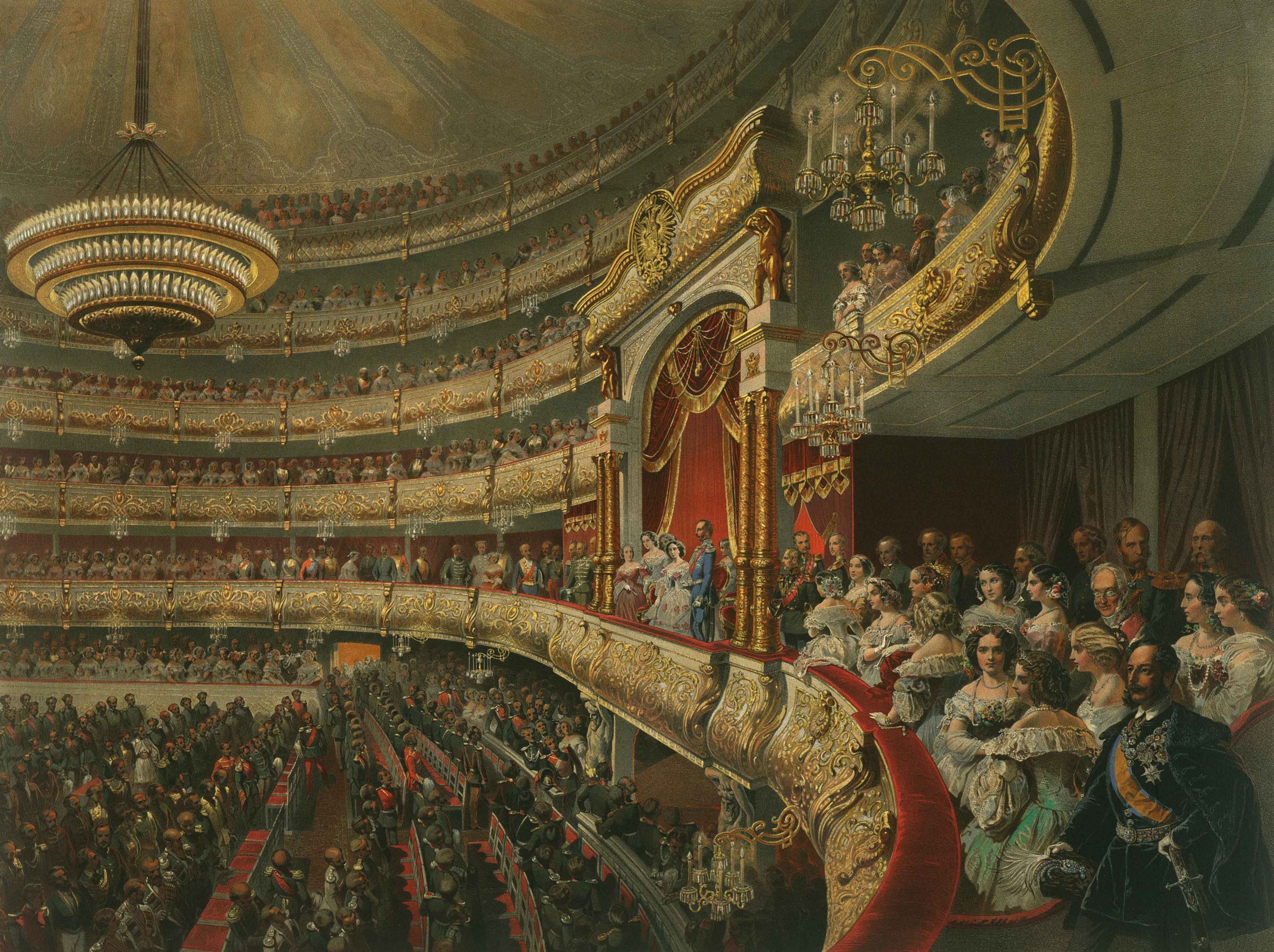
For my purposes here, music, literature, plays, movies and dance in the form of concerts, ballet, theater, or books will be considered spending goals of money and time. And the acquisition of paintings and sculpture will be treated as both spending goals and as portfolio assets, but illiquid.
That means tangible art can have both economic and emotional value — as ambiguous or subjective as that may be. And like precious metals, undeveloped land, and owner-occupied housing, art is not a wealth-producing asset like profit earning companies that create value for customers, investors and employees.
In fact, metals, land and housing have been consumer goods for most of human history, but from the fall of Rome to the Renaissance, artists languished in obscurity and their creations were dedicated to the glory of ghosts — not men.
But when societies became more civilized, land was improved for farming and it was elevated to a capital asset. In that environment, talented artists were able to cultivate wealthy patrons from the mixed feudal economy of land owners, merchants, and church/state rulers.
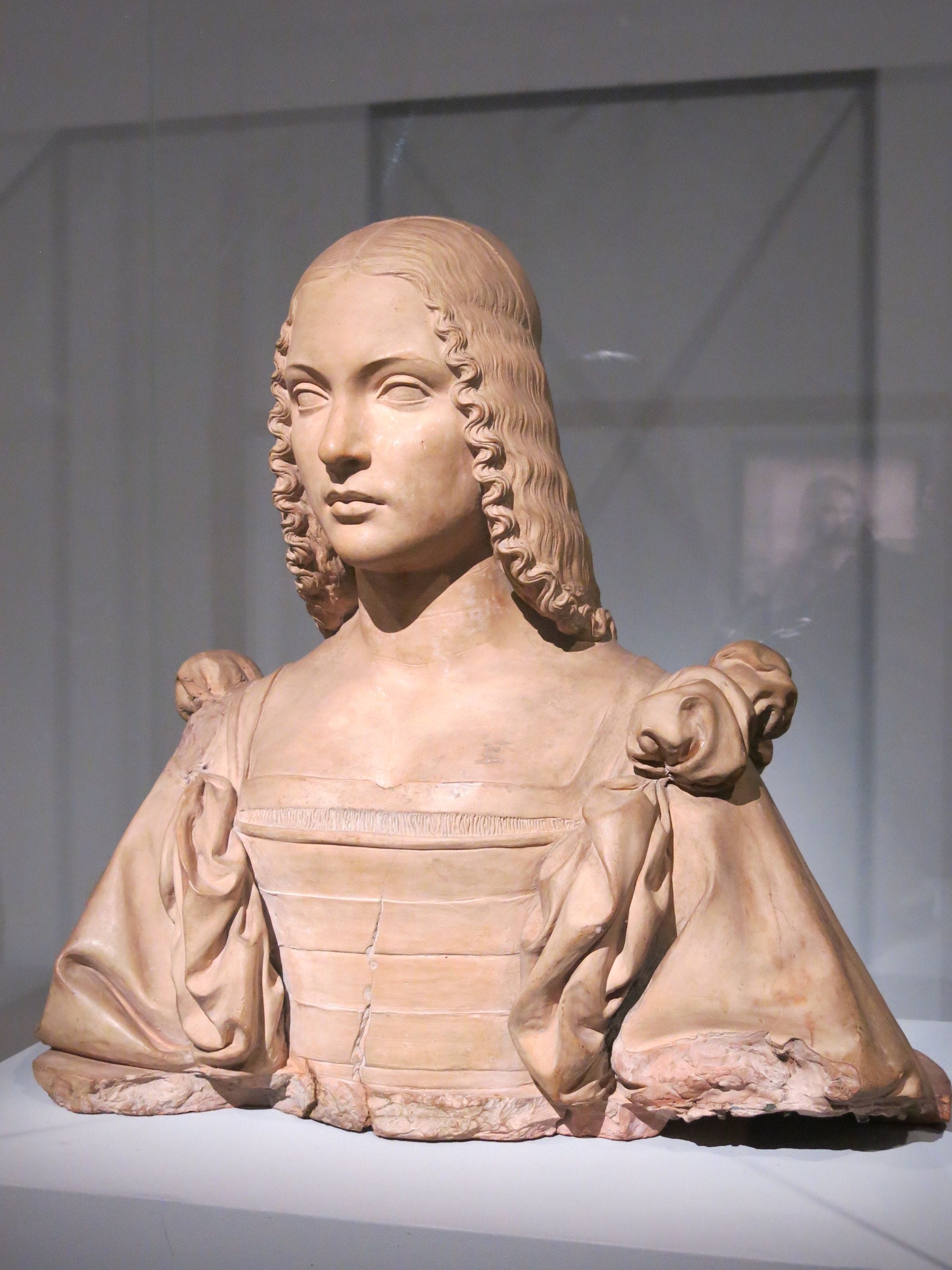
A prime example from early 16th century Italy was Isabella d’Este — a lady of high birth, higher intellect, the sister of Lucrezia Borgia, “and became the first woman in Europe to develop a personalised gallery space with specially designed cabinets to display her vast collections.”
For us, this is where objective investing becomes interesting. How do you combine your financial commitment to tangible artworks and artistic performances with your other assets, spending goals, and total investment risk exposure?
According to a December 2021 published by European Financial Management: “A broader academic study of paintings and drawings over the past 60 years found a nominal annual return of around 6.24%.”
But more importantly, as portfolio asset to hedge stock market risk, “One analysis using Artprice data showed moderately negative correlations for Old Masters (–0.64) and 19th Century Art (–0.68) vs. the S&P 500, and a weak negative relationship for Modern Art (–0.31).”
In summary — and as an asset class, the price action of the broad category of fine art over the last 50 years resembles hedge funds: Generally, both have delivered single digit returns, high volatility and little or no correlation to the S&P 500.
Portfolio Selection
Except as pooled investments similar to private equity, no one buys art as an asset class. It doesn’t exist as liquid securities like ETFs. Portfolio selection is everything. To get a sense of the art market for the past 50 years, the Museum of Modern African Art (momaa) wrote in 2025:
“Post-war and contemporary categories achieved annual returns exceeding broader market indices during favorable periods. However, volatility remains elevated compared to traditional categories . . . Blue-chip works in these categories demonstrate steady appreciation with lower volatility than emerging segments.”
Not surprisingly, there are distinct categories within fine art (masters, impressionist, romantic, modern, realist, surrealist, naturalist, various schools) and artist reputations that not only determine the economic value of an artwork but the meaning that delivers emotional satisfaction to the objective investor.
Clearly, great artworks are subject to selection bias, but they also carry poor liquidity, high dealer fees, and storage costs. And unlike all other asset classifications, fine art adds value that can only be measured against other uses for money that have unique value to you. For the emotional benefits, I will rely on philosopher and novelist Ayn Rand to explain the dividend:
As to the role of emotions in art and the subconscious mechanism that serves as the integrating factor both in artistic creation and in man’s response to art, they involve a psychological phenomenon which we call a sense of life.
Thanks to modern technology, wonderful reproductions can be purchased at far less expense than the originals. Just last week I found a 16 inch bronzed composite statue on Facebook from an American sculptor. It was priced for about 20 — 25% of the estimated price at an online auction site. I’ve also purchased giclee canvas prints, but the only originals that might be considered assets are three originals that I bought in an online auction in a modest price range.
In all cases — galleries, concerts, theater, paintings, sculpture, Zappa albums, or vintage MAD magazine originals — your investment objectives, cash flow expectations, financial assets, art ownership, and healthy sense of life can sing in harmony when tuned properly.
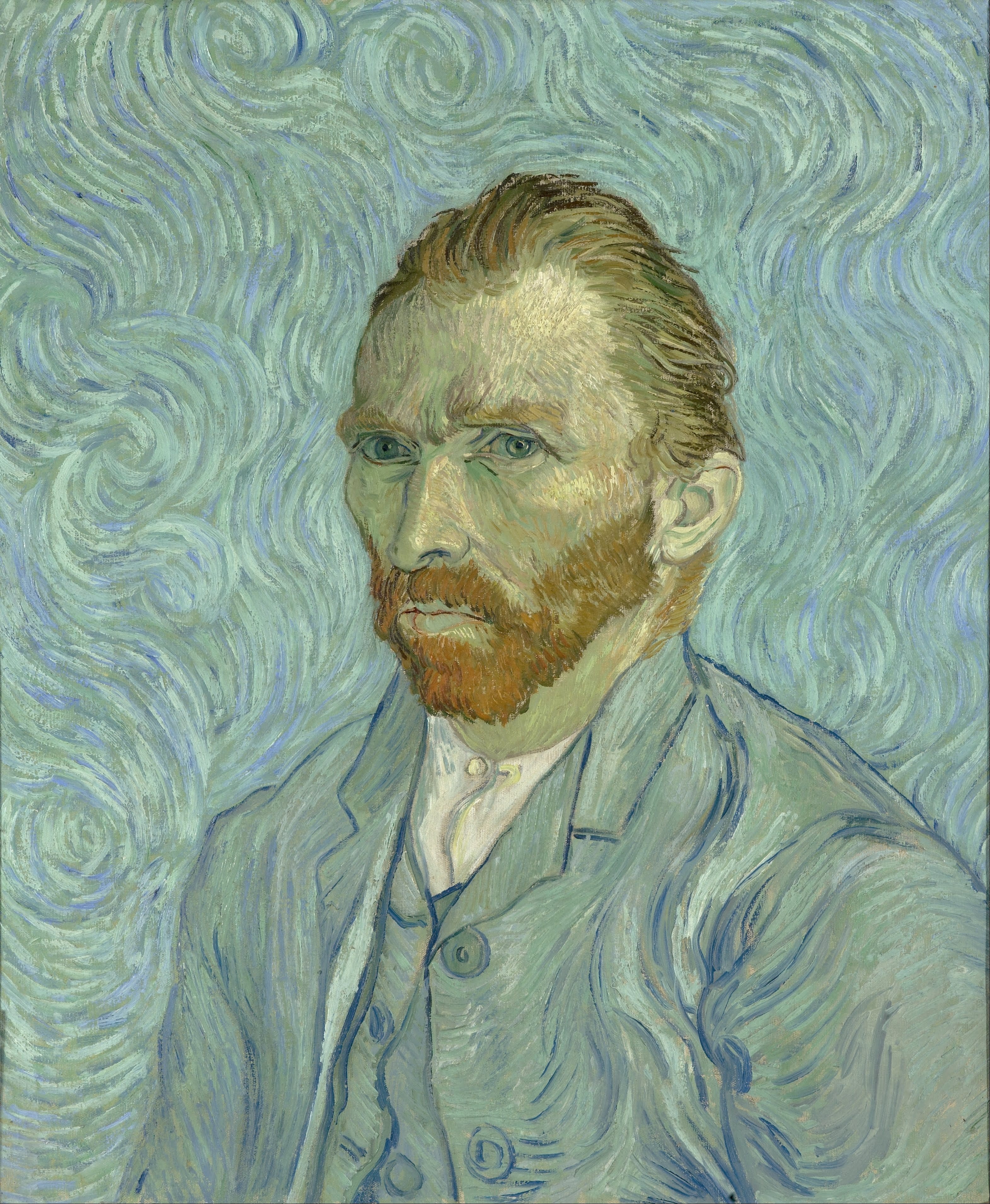
Good piece! One satisfying aspect of investing in art is that you get to own what YOU like, and the pleasure you get from seeing it every day is your return on investment. The return is hard to quantify in monetary terms, but it is real and, properly chosen, enduring.